





Category: Accounting
The Essential Guide to Real Estate Bookkeepers: Everything You Need to Know
- March 03, 2025
Managing finances in the real estate industry can be complex, especially when dealing with multiple properties, transactions, and tax regulations. This is where real estate bookkeeping services play a crucial role in ensuring accurate financial records and maximizing profits.
In this guide, we will explore real estate bookkeeping services in the USA, the benefits of professional bookkeeping, the best real estate accounting software, and why hiring a specialized bookkeeper is a smart decision for real estate agents and investors.
What is Real Estate Bookkeeping?
Real estate bookkeeping involves tracking and managing financial transactions related to real estate investments, property management, and real estate sales. It includes recording rental income, property expenses, mortgage payments, and ensuring compliance with tax regulations.
Why Do Real Estate Agents Need Bookkeeping Services?
Many real estate agents and investors focus on growing their business but often overlook the importance of proper financial management. Here’s why bookkeeping for real estate agents is essential:
- Accurate Financial Tracking: Helps monitor cash flow, income, and expenses effectively.
- Tax Compliance: Proper bookkeeping ensures that you file accurate tax returns and claim all possible deductions.
- Budgeting and Forecasting: Enables real estate professionals to make informed financial decisions.
- Avoiding Costly Errors: Prevents financial mismanagement and potential legal issues.
Key Services Offered by Real Estate Bookkeepers
Professional real estate bookkeeping services include:
- Recording income from property sales, leases, and rentals.
- Managing accounts payable and receivable.
- Bank and credit card reconciliations.
- Expense tracking for property maintenance, marketing, and commissions.
- Preparing financial statements for investors and stakeholders.
- Tax preparation and filing assistance.
If you are looking for expert real estate bookkeeping services in the USA, consider Clarigro, a trusted provider of bookkeeping and accounting services tailored for real estate businesses.
Best Real Estate Accounting Software
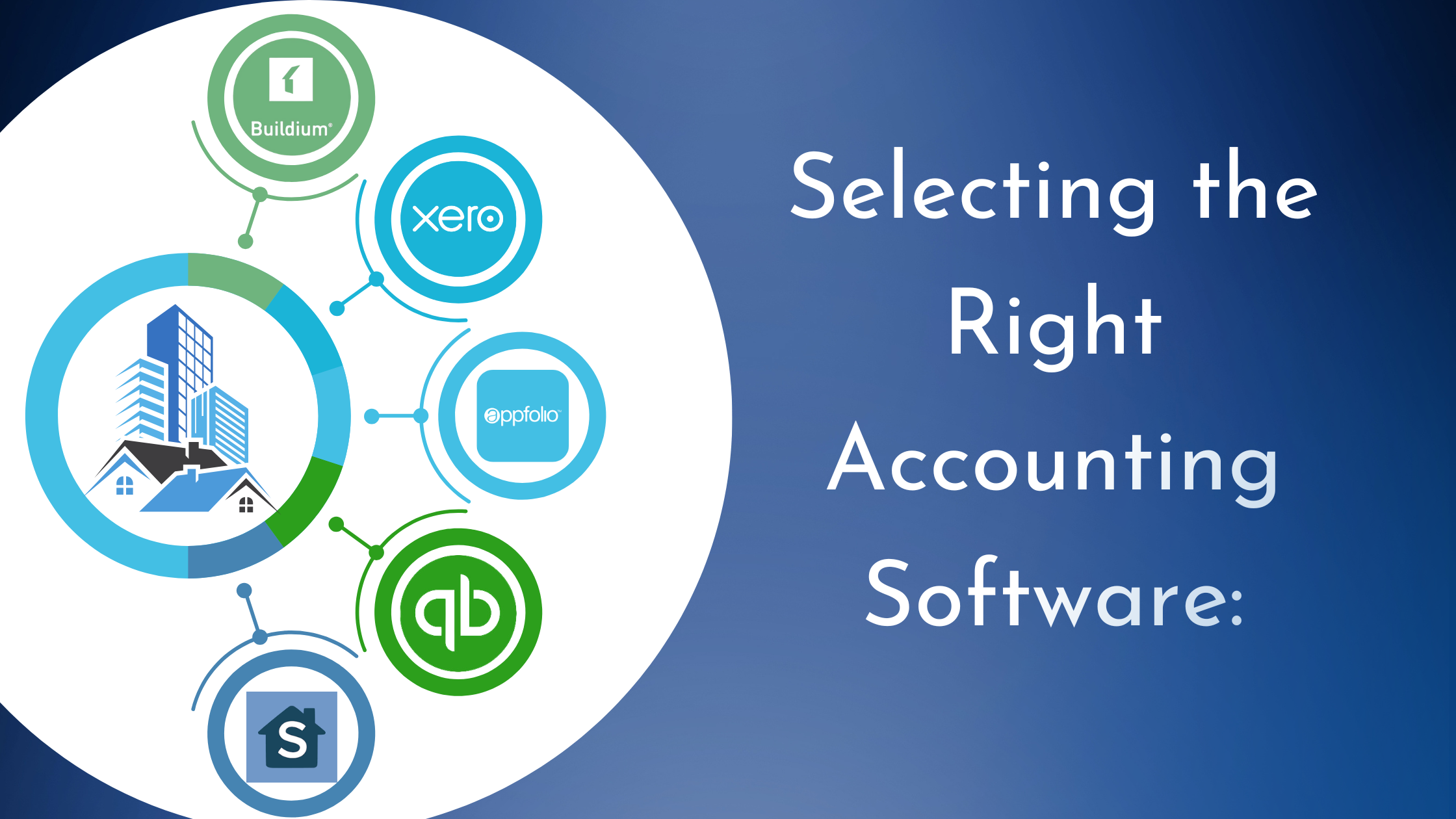
Using real estate accounting software simplifies financial management. Some of the best options include:
- QuickBooks Online – Ideal for small to mid-sized real estate businesses.
- Buildium – Designed for property managers with advanced reporting tools.
- AppFolio – Great for real estate investors managing multiple properties.
- Xero – A user-friendly alternative with cloud-based access.
- Stessa – Free software for rental property owners.
These tools help automate bookkeeping tasks, ensuring accuracy and efficiency in financial reporting.
Choosing the Right Real Estate Bookkeeper
When selecting a real estate bookkeeper, consider the following:
- Industry Expertise: Look for professionals with experience in real estate accounting.
- Tech-Savvy: A bookkeeper proficient in modern real estate accounting software can streamline your processes.
- Compliance Knowledge: Ensure they understand tax laws and regulations related to real estate transactions.
- Scalability: Choose a bookkeeper who can handle your growing business needs.
For comprehensive and reliable real estate bookkeeping services, Clarigro provides tailored solutions to help real estate professionals maintain financial clarity.
Conclusion
Effective real estate bookkeeping is crucial for agents, investors, and property managers. Whether you’re managing a few properties or a large portfolio, investing in professional bookkeeping services ensures financial stability and long-term success.

Looking for expert real estate bookkeeping services? Check out Clarigro’s accounting solutions for real estate businesses.
For further reading, explore these resources:
- IRS Guidelines for Real Estate Record-Keeping
- National Association of Realtors Financial Management Tips
By leveraging the right bookkeeping services and tools, real estate professionals can focus on growth while maintaining financial accuracy.
Unlock Your Real Estate Potential: Streamlined Bookkeeping for Success
- February 27, 2025
In the competitive real estate market, staying ahead requires more than just closing deals; it demands meticulous financial management. Juggling between showing property, Price negotiations, and paperwork leaves little time for complex bookkeeping. This is where specialized real estate bookkeeping services become invaluable. By partnering with experienced financial professionals, you can reclaim time, reduce stress, and gain deeper insights into your business’s economic health.
Why Real Estate Bookkeeping is Crucial (and Unique):
Real estate businesses face unique financial challenges that necessitate specialized knowledge. Unlike other industries, real estate involves intricacies like:
- Complex Transactions: Real estate transactions are rarely simple. They often involve multiple parties (buyers, sellers, agents, lenders), escrow accounts, and intricate financing arrangements. Accurate tracking of every financial detail, from earnest money deposits to closing costs and commissions, is paramount for compliance and profitability. Real estate bookkeeping services provide the expertise to navigate these complexities seamlessly.
- Property Management (for Landlords/Investors): Managing rental properties adds another layer of financial complexity. Real estate accounting services are essential for tracking rental income, managing operating expenses (repairs, maintenance, utilities), handling tenant security deposits, and generating accurate financial reports for each property.
- Trust Accounting (for Brokers/Agents): Brokers and agents often handle client funds in trust accounts. These funds must be meticulously managed and accounted for, adhering to strict regulatory requirements. Real estate bookkeepers specialize in trust accounting, ensuring compliance and safeguarding client funds.
- Tax Implications (Unique to Real Estate): Real estate transactions have unique tax implications, including capital gains taxes, depreciation rules, and property tax assessments. Real estate bookkeeping services help you understand these implications, maximize deductions, and ensure accurate tax reporting.
Benefits of Outsourcing Real Estate Bookkeeping Services:
- Unwavering Accuracy: Professional real estate bookkeepers possess in-depth knowledge of real estate accounting principles and best practices. These expertises minimizes errors, ensures compliance, and provides reliable financial data for informed decision-making.
- Reclaimed Time: Outsourcing your bookkeeping works frees up your time to focus on what you do best: building client relationships, closing deals, and growing your business. By outsourcing your bookkeeping work you can save your valuable time without having to worry about financial data and spreadsheets.
- Stress Reduction: Financial management can be a major source of stress and anxiety for real estate professionals. Entrusting your bookkeeping works to experts provides peace of mind, knowing your finances are in better hands.
- Enhanced Financial Clarity: Real estate accounting services provide you with clear, concise, and timely financial reports. These reports offer valuable insights into your business’s performance, enabling you to identify trends, make strategic decisions, and maximize profitability.
- Proactive Tax Planning: Experienced real estate bookkeepers can help you proactively plan for tax season, identify potential deductions, and ensure you meet all filing deadlines, minimizing your tax burden and tax savings
- Scalable Solutions: As your real estate business expands, your bookkeeping needs will evolve. Outsourcing provides the flexibility to scale your services up or down as required, ensuring seamless financial management throughout your growth trajectory.
Key Services Offered by Real Estate Bookkeepers:
- Comprehensive Transaction Management: From initial offer to closing and beyond, real estate bookkeeping services meticulously track all financial aspects of each transaction, including earnest money, commissions, closing costs, and disbursements.
- Detailed Property Management Accounting: For landlords and investors, these services provide detailed tracking of rental incomes, operating expenses (repairs, maintenance, utilities, property taxes), tenant security deposits, and generate comprehensive financial reports for each property.
- Impeccable Trust Accounting: Real estate bookkeepers specializing in trust accounting ensure meticulous management of client funds, adhering to all regulatory requirements and providing transparent reporting.
- Precise Financial Reporting: Receive regular and accurate financial statements, including profit and loss statements, balance sheets, cash flow statements, and other customized reports tailored as per your specific needs & requirements from time to time.
- Strategic Budgeting and Forecasting: Develop realistic budgets, create financial forecasts, and gain a clear understanding of your business’s financial future, enabling you to make informed investment decisions.
- Expert Tax Preparation Support: Real estate bookkeepers provide accurate financial records and assist with tax preparation, helping you navigate complex real estate tax laws and maximize deductions.
Leveraging the Power of the QuickBooks Online Bookkeeping System:
Many real estate bookkeeping services utilize the QuickBooks Online bookkeeping system, a leading cloud-based accounting platform. QuickBooks Online offers several advantages:
- Anywhere Access: Access your financial data securely from any device with an internet connection, ensuring real-time visibility into your finances.
- Real-Time Financial Insights: QuickBooks Online’s intuitive dashboards provide up-to-date information on your cash flow, expenses, and profits, enabling you to make informed business decisions quickly.
- Seamless Collaboration: QuickBooks Online allows smooth collaboration between you, your team, and your bookkeeper, fostering transparency and streamlined communication.
- Automated Efficiency: QuickBooks Online automates essential bookkeeping tasks, such as bank reconciliation, invoice tracking, and tax preparation, saving time and minimizing errors.
Choosing the Right Real Estate Bookkeeping Service:
Selecting the right real estate bookkeeping service is a critical decision. Consider these factors:
- Real Estate Expertise: Prioritize a service with extensive experience specifically in the real estate industry and a deep understanding of its unique financial requirements.
- Quickbooks Proficiency: If you prefer using Quickbooks, ensure the bookkeepers are certified and proficient in using the platform.
- Communication and Availability: Choose a service that prioritizes clear and responsive communication, ensuring your questions are answered promptly and your concerns are addressed effectively.
- Scalability and Flexibility: Select a service that can accommodate your business’s growth and adapt to your evolving needs.
- Transparent Pricing: Understand the pricing structure upfront and ensure it aligns with your budget.
Conclusion:
Partnering with a skilled real estate bookkeeping service is an investment that yields significant returns. By entrusting your financial management to experts, you gain invaluable time, reduce stress, enhance financial clarity, and unlock your real estate business’s full potential. Whether you’re a seasoned investor or just starting out, professional bookkeeping is the key to long-term success in the dynamic world of real estate.

Ready to optimize your bookkeeping? Explore our real estate bookkeeping service and see how Clarigro can help you achieve financial clarity and growth.
Why Accurate Accounting is Crucial for E-commerce Success
- February 20, 2025
Running an online store means you’re usually busy with marketing, sales, and keeping customers happy. However, one fundamental element often overlooked, yet absolutely critical, is ecommerce accounting. A captivating product launch can be exciting, but without accurate accounting, an e-commerce business can’t thrive. Without ecommerce accounting solutions, you’re sailing without a map, leaving your business open to financial hardship and lost chances. In this blog We’ll explore the crucial role of accurate accounting in e-commerce business and how the right tools can be a major catalyst for success.
The Perils of Neglecting Your E-commerce Accounting
Imagine operating your online store without a clear, comprehensive view of your financial landscape. You might perceive profitability based solely on sales figures, but are you truly accounting for all your expenses? Overlooking crucial accounting tasks can precipitate a cascade of problems, jeopardizing the very existence of your business:
- Cash Flow Crisis: Without meticulous tracking, you might misjudge your cash flow, leading to an inability to pay suppliers, invest in essential supply chain, or even cover basic operating costs. This can quickly spiral into a crippling cash crunch.
- Tax Troubles: Inaccurate or incomplete records can invite penalties and audits,from tax authorities and significant financial headaches for the business owner or stakeholders. Sales tax, in particular, presents a complex web of regulations for online businesses, and missteps in this area can be exceptionally costly.
- Missed Opportunities: Accurate financial data is the lifeblood for informed business decision making. Without informed decision, businesses might miss out on lucrative growth opportunities, misprice their products, or fail to identify profitable niches within their market.
- Difficulty Securing Funding: Investors and lenders demand detailed, transparent financial statements. If your books are disorganized or incomplete, you’ll struggle to secure the vital funding you need to fuel expansion and achieve your business goals.
- Business Failure: Ultimately, poor accounting can be the death knell of your e-commerce venture. Without a clear, data-driven understanding of your financial health, you’re essentially operating in the dark, significantly increasing the risk of making critical errors that can lead to business failure.
The Advantages of Implementing Robust Ecommerce Accounting Solutions
Investing in the best accounting solution for e-commerce and prioritizing accurate financial record-keeping offers a wealth of benefits, empowering your business to thrive:
- Improved Financial Visibility: Real-time access to accurate financial data provides a crystal-clear picture of your business’s performance, enabling you to identify emerging trends, pinpoint areas for improvement, and make data-driven decisions with confidence.
- Streamlined Operations: Automated ecommerce accounting solutions can significantly reduce manual data entry, freeing up your valuable time to focus on other crucial aspects of your business, such as marketing, product development, and customer relations.
- Enhanced Tax Compliance: Meticulous accounting practices ensure you’re meeting all tax obligations, minimizing the risk of audits, penalties, and legal complications. This is especially critical for managing the complexities of sales tax across multiple jurisdictions.
- Better Inventory Management: Accurate inventory tracking is absolutely essential for e-commerce success. Effective ecommerce accounting solutions help you monitor stock levels in real-time, optimize purchasing decisions, and avoid the costly pitfalls of stockouts or overstocking.
- Informed Decision-Making: With access to accurate and up-to-date financial reports, you can make informed decisions about pricing strategies, targeted marketing campaigns, and strategic expansion plans.
- Increased Profitability: By identifying cost-saving opportunities and optimizing your pricing strategy based on accurate data, sound accounting practices can directly contribute to increased profitability and a stronger bottom line.
- Attracting Investors: Well-maintained, transparent financial records make your business significantly more attractive to potential investors and lenders, increasing your chances of securing funding for growth.
Choosing the Right E-commerce Accounting Solutions
Selecting the best accounting solution for e-commerce depends on the specific size, needs, and complexity of your business. Numerous options are available, ranging from cloud-based accounting software to specialized e-commerce accounting apps. Consider the following factors:
- Integration with your e-commerce platform: Seamless integration with platforms like Shopify, WooCommerce, or Amazon is crucial for automating data transfer and ensuring data accuracy.
- Features offered: Look for essential features like automated sales tax calculation, robust inventory management capabilities, detailed expense tracking, and comprehensive reporting functionalities.
- Scalability: Choose a solution that can grow and adapt alongside your business as it expands and evolves.
- Cost: Compare pricing plans and select a solution that aligns with your budget while providing the necessary features and functionality.
The Invaluable Role of an Accountant for E-commerce Business
While ecommerce accounting solutions are essential tools, consider partnering with a qualified accountant for e-commerce business. A skilled ecommerce accountant can provide invaluable insights, help you navigate the intricacies of complex tax laws, and ensure your financial practices are optimized for maximum success. They can also offer specialized ecommerce accounting solutions and accounting services for e-commerce business tailored to your specific needs. Whether you require assistance with bookkeeping, tax preparation, financial forecasting, or strategic financial planning, ecommerce accountants can be a powerful asset for your business.
Navigating the Complexities of Sales Tax
Sales tax is a particularly challenging area for e-commerce businesses. Understanding nexus, registering in the appropriate states, and accurately calculating and remitting sales tax can be a complex undertaking. Ecommerce accounting solutions often include features to automate sales tax calculations, but it’s still crucial to have a solid understanding of the regulations and potentially consult with an accountant for e-commerce business specializing in sales tax.
The Importance of Regular Financial Reporting
Regular financial reporting is essential for monitoring your business’s performance and making informed decisions. Key financial reports include:
- Income Statement: Provides a snapshot of your revenue, expenses, and profit (or loss) over a specific period.
- Balance Sheet: Shows your assets, liabilities, and equity at a specific point in time.
- Cash Flow Statement: Tracks the movement of cash into and out of your business.
Understanding and analyzing these reports is crucial for making strategic decisions and ensuring the financial health of your e-commerce business.
Conclusion
In the fiercely competitive world of e-commerce, accurate accounting is not merely a necessity—it’s a strategic imperative. By investing in the right ecommerce accounting solutions and potentially partnering with an experienced accountant for e-commerce business, you can gain invaluable insights into your financial performance, make data-driven decisions, and position your business for sustainable, long-term success.
Don’t underestimate the transformative power of sound financial management – it’s the key to unlocking the full potential of your e-commerce venture. By prioritizing accurate accounting, you’re not just managing your finances; you’re investing in the future of your business.
